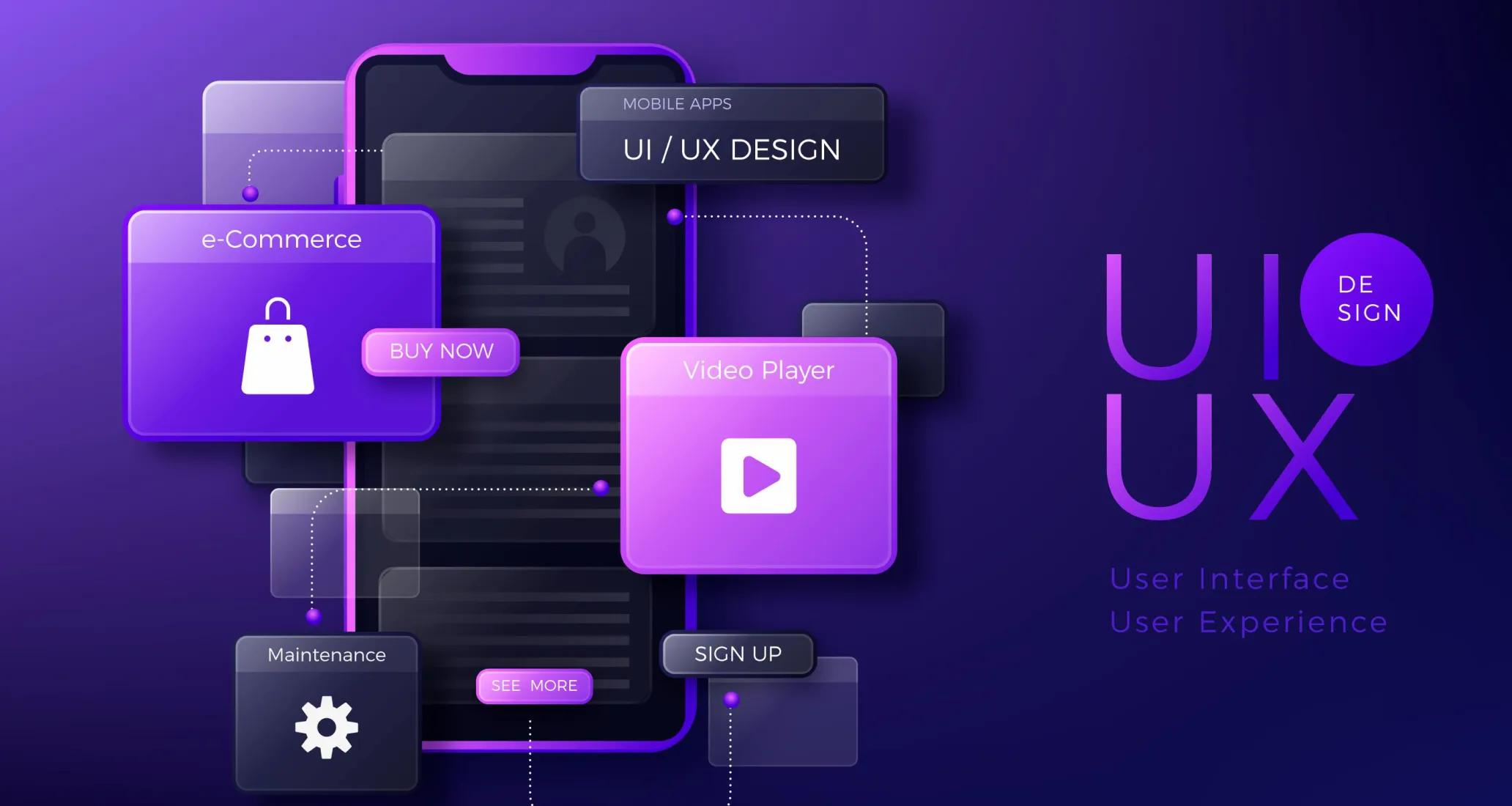
Research-led, accessible interfaces with design systems, prototypes, and Design QA for reliable delivery.
We design accessible, intuitive interfaces for web and mobile that convert and comply. Our teams combine research, IA, content design, prototyping, and design systems to deliver consistent experiences that are WCAG/508 aligned from day one. Every engagement includes clear artifacts for engineering handoff and design QA so what gets built matches the vision.
Key Benefits
Accessibility by Default: WCAG/508-aligned patterns
Clarity & Conversion: Research-backed flows and microcopy
Speed to Build: Reusable components & tokens
Consistency: Design tokens & guidelines
Confidence: Prototyping & user testing
What We Deliver
Research & Discovery — stakeholder interviews, journey maps, task analysis, and problem framing.
Information Architecture — navigation, labeling, taxonomy, and content hierarchy.
Wireframes & Prototypes — low→high fidelity flows to validate paths before build.
Visual Design — responsive layouts, typography, motion guidelines, and theming.
Design System — components, patterns, design tokens, and usage documentation.
Understandable: plain language, error prevention, clear help text and states.
Robust: semantic structure ready for assistive technologies and automated checks.
Evidence: a11y issue logs and remediation tracking for procurement and audits.
Design System & Tokens
We formalize components and tokens (color, type, spacing, elevation, motion) to ensure consistency and speed across products. Paired with coded libraries and stories, teams ship faster with fewer defects.
Prototyping, Testing & Iteration
Interactive prototypes reduce risk by validating flows early. We run usability tests with representative users, capture findings, and iterate quickly. Outcomes feed dashboards for leadership visibility across adoption and friction points.
Handoff to Engineering & Design QA
Handoff: specs, redlines, assets, and accessibility notes with component references.
Build Support: pairing sessions, acceptance criteria, and edge-case clarifications.
Design QA: review staging builds, verify responsiveness, keyboard paths, and screen-reader cues before release.
Content Design & Microcopy
Clear, inclusive language improves completion rates. We standardize labels, messages, and error text; create content patterns for forms, tables, and notifications; and align with compliance wording where required.